
Black history is not confined to a month on the calendar—it lives in our bodies, our communities, our resilience, and our dreams. It is carried in the stories passed down at kitchen tables, whispered in prayers, sung in songs of survival and joy, and embodied in the courage it took for our ancestors to keep going when the world told them they could not.
For far too long, our stories have been told about us instead of by us. Pieces of our history have been edited, minimized, or erased altogether. Yet even in the gaps, we have always known the truth: we come from greatness. We come from innovators, healers, organizers, artists, builders, educators, and freedom dreamers.
Black history is not just a record of struggle—it is a testimony of brilliance, creativity, faith, and endurance. As I think about the reality of this, I think of the stories from my childhood. The stories of my Great Grandpa Mark, Great Grandma Della, Grandma Laura, Aunt Ramona, Aunt Dee, and Aunt Marvine. The stories of their lives, and how they overcame the hurdles they encountered. The stories of how they went through the joys of family and community. The stories of how they loved and lifted all of us! Their stories indeed reflected brilliance, creativity, faith and endurance!
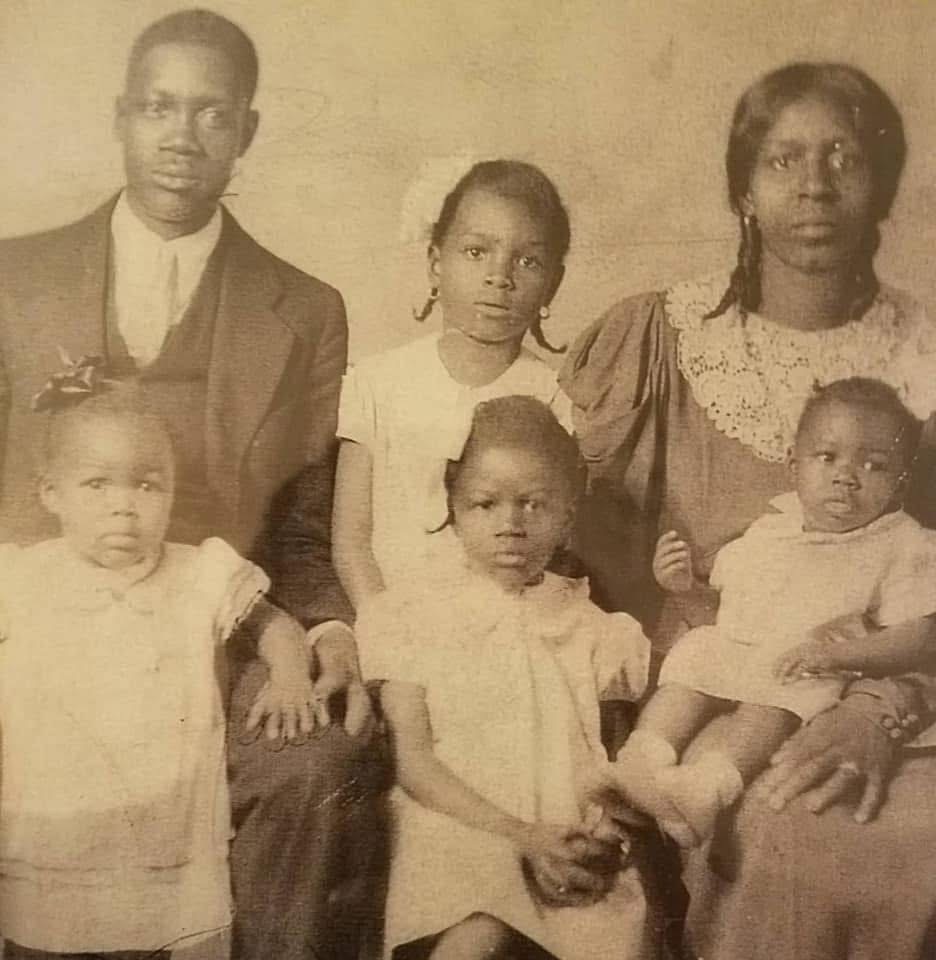
The Power of Telling Our Own Stories
There is something sacred about reclaiming our narrative. When we tell our own stories, we resist the single-story narratives that reduce us to pain or limitation. We honor the fullness of who we are—our wounds and our wisdom, our grief and our glory.
Telling our stories is an act of healing.
It allows us to name where we’ve been, understand how it shaped us, and decide intentionally who we are becoming.
It is also an act of liberation.
When we speak our truth, we give ourselves permission to be whole, complex, and evolving—no longer defined solely by what we survived, but by what we are building.
The Greatness Within Us
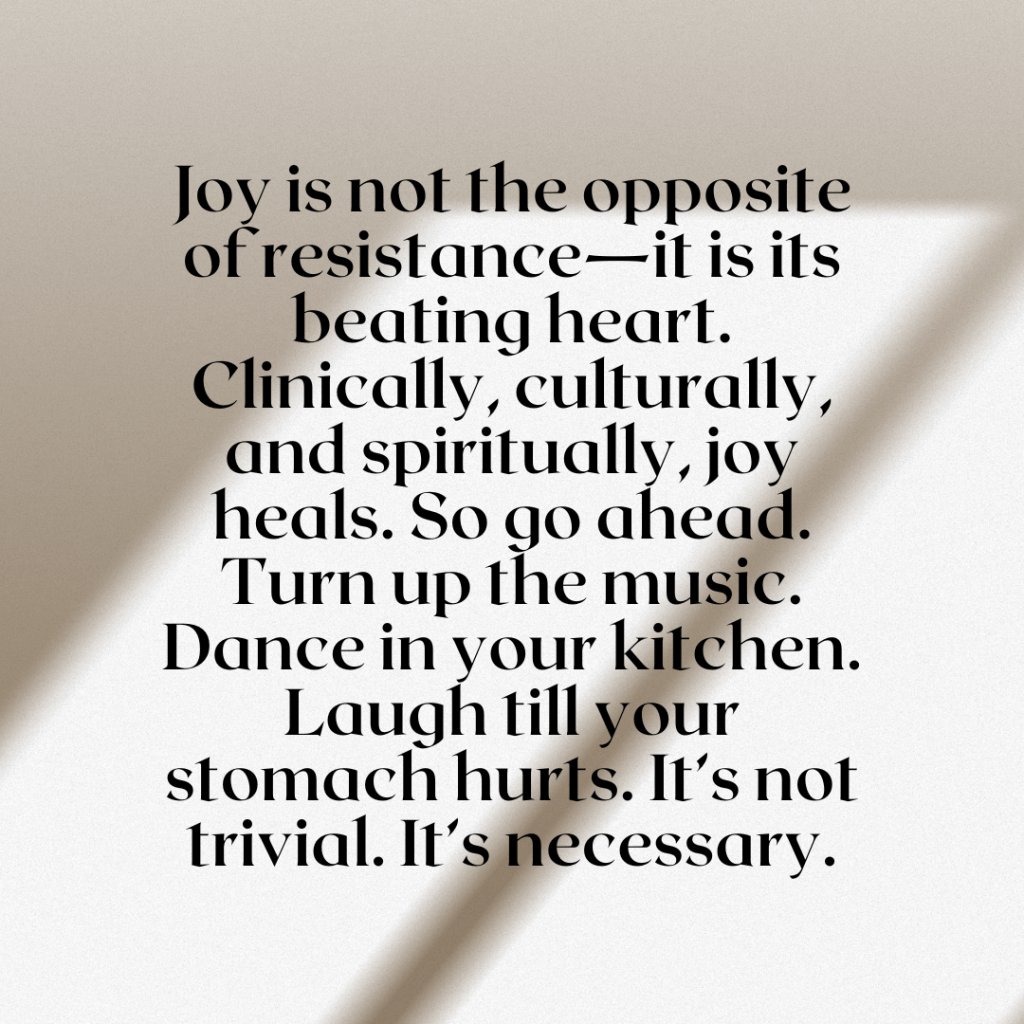
Black history reminds us that greatness does not always look loud or celebrated. Sometimes it looks like a grandmother who held her family together. Sometimes it looks like choosing joy in a world that profits from our despair. Sometimes it looks like rest, boundaries, education, creativity, or simply refusing to shrink.
The same strength that carried our ancestors through unimaginable circumstances lives within us today. It shows up in how we love, how we lead, how we care for one another, and how we imagine a future that is freer than the past.
Our legacy is being written right now—in our choices, our voices, and our willingness to live authentically.
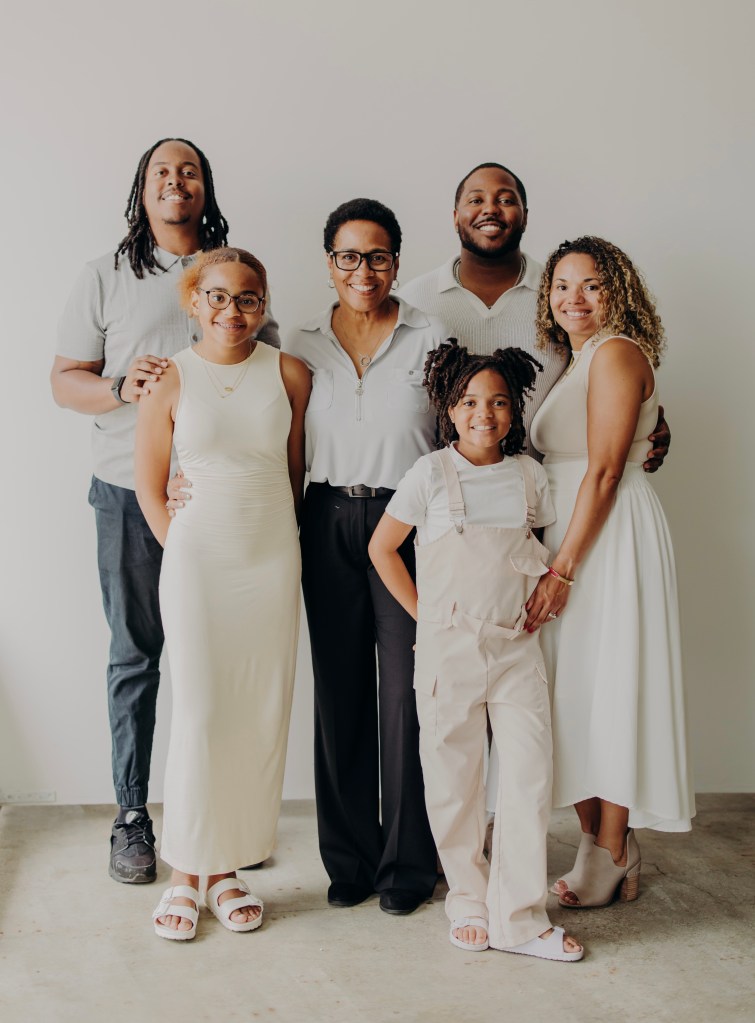
A Moment for Reflection: Journaling Our Stories and Legacy
As we honor Black history, we are invited not only to look back—but to look inward and forward. Journaling can be a powerful way to reflect, reclaim, and reimagine.
Here are a few prompts to guide you:
1. What stories about Blackness did I grow up hearing—and which ones do I want to challenge or rewrite?
Reflect on messages from family, school, media, or society. How have they shaped how you see yourself?
2. Who are the ancestors or elders whose strength lives on through me?
What qualities, values, or lessons have been passed down, even without words?
3. In what ways have I shown resilience, courage, or creativity in my own life?
Name moments—big or small—where your greatness showed up.
4. What parts of my story deserve more honoring and compassion?
Where might you need to offer yourself grace for surviving, growing, or still becoming?
5. What legacy do I want to leave—personally, spiritually, and within my community?
If someone told your story years from now, what would you hope they say you stood for?
6. How can I intentionally tell my story—through my voice, my work, my art, or my presence?
What does it look like to live in alignment with your truth?
Closing Reflection
Celebrating Black history is more than remembrance—it is reclamation. It is a reminder that our lives matter, our stories matter, and our futures are worth protecting and dreaming about.
May we continue to tell our own stories boldly.
May we honor the greatness that came before us.
And may we live in ways that affirm the greatness within us and those who will come after.
Because Black history is not just what happened—it is who we are. ✨
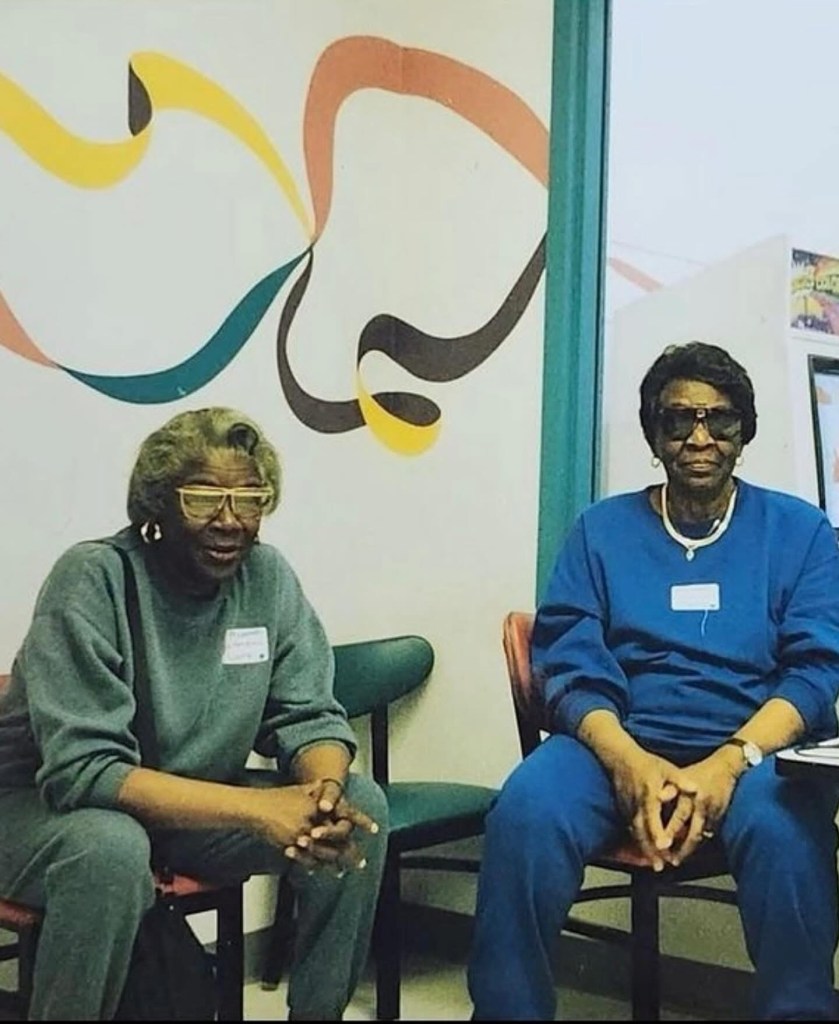











 In Her Honor