
Halftime Adjustments: It’s Time to Finish the Year Strong

Can you believe we’re already halfway through the year?

As the calendar turns to the second half, many of us are tempted to focus on everything we didn’t accomplish. We think about the goals we abandoned, the opportunities we missed, the habits we never quite established, or the unexpected challenges that changed our plans.

But what if we looked at this moment differently?

As the parent of two sons who played sports, I’ve spent countless hours in gyms, on football fields, and understanding locker room conversations. One thing I learned is that halftime is never about dwelling on the mistakes of the first half. It’s about making adjustments for the second half.

The best coaches don’t spend the entire halftime reminding players of every missed shot or blown assignment. Instead, they ask important questions:

  • What’s working that we need to keep doing?
  • What’s not working that needs to change?
  • What adjustments will put us in the best position to win?

Then the team takes the field with a renewed sense of purpose.

Life isn’t much different.

Evaluate Without Beating Yourself Up

The first half of the year may not have gone according to plan. Maybe you experienced unexpected loss, financial stress, health challenges, relationship difficulties, or simply found yourself overwhelmed by life’s responsibilities.

Perhaps you started the year with ambitious goals that now seem distant.

That’s okay.

An honest evaluation doesn’t require self-condemnation. It requires self-awareness.

Ask yourself:

  • What am I proud of from the first half of this year?
  • What has drained my energy?
  • What habits have helped me grow?
  • What patterns have held me back?
  • What have I learned about myself?

Growth begins with honesty, not shame.

Adjust Your Strategy, Not Your Dream

One of the greatest lessons in sports is that the game plan can change without changing the goal. The objective remains the same: win the game. Maybe your original strategy wasn’t effective. Maybe your circumstances changed. Maybe you’ve grown and your priorities have shifted.

That’s not failure—that’s wisdom.

Sometimes the adjustment means saying “no” more often. Sometimes it means asking for help. Sometimes it means resting instead of constantly striving. Sometimes it means letting go of something good so you can embrace something better.

Adjustments aren’t signs of weakness. They’re signs of maturity.

Stop Letting the Score Define the Outcome

I’ve seen teams walk into halftime behind on the scoreboard and leave with a victory because they refused to believe the first half determined the final outcome.

The same is true for your life.

One difficult season doesn’t define your story. One setback doesn’t erase your purpose. One mistake doesn’t eliminate your potential. The score at halftime is simply information—not destiny.

Finish Strong

The beautiful thing about the second half is that it still belongs to you.

There are still conversations to have.
There are still dreams to pursue.
There are still relationships to strengthen.
There are still healthy habits to build.
There are still opportunities waiting for you.

You don’t need a new year to make a new decision. You don’t need permission to begin again. You simply need the courage to make the adjustment.

A Challenge for This Week

As we step into the second half of the year, take some time for your own halftime meeting.

Grab a journal, sit somewhere quiet, and honestly reflect on the first six months.

Celebrate your wins. Learn from your losses. Release what no longer serves you. Then commit to one or two intentional adjustments that will help you become the person you want to be by year’s end.

Remember, championships aren’t won because a team played a perfect first half. They’re won because they were willing to make the right adjustments when it mattered most.

The game isn’t over.

The second half is just beginning.

So take a deep breath, make the adjustment, and finish strong.

“Forget the former things; do not dwell on the past. See, I am doing a new thing!” — Isaiah 43:18–19

Here’s to making the adjustments that lead to your strongest finish yet.
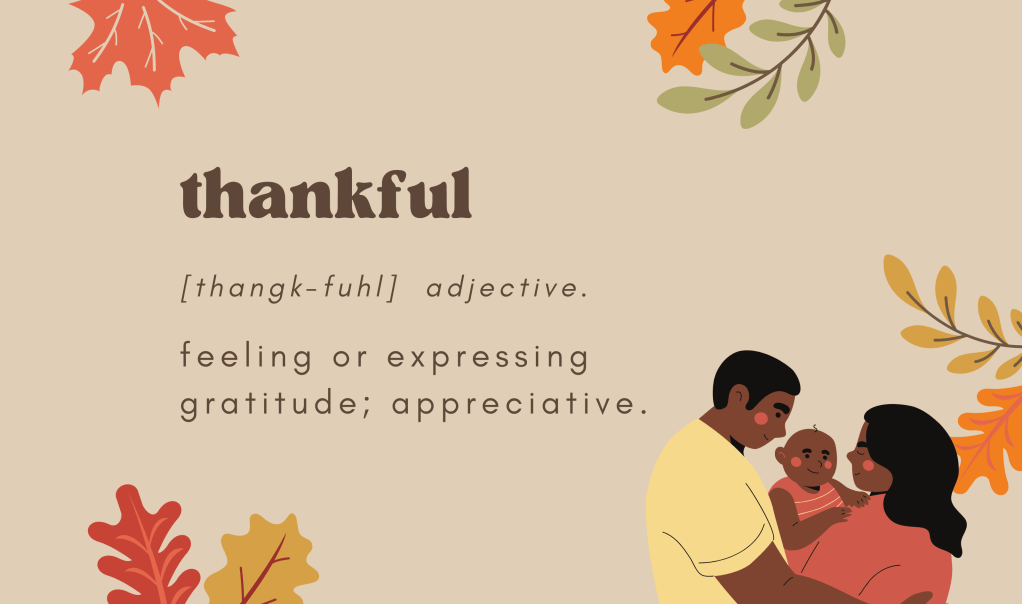
Cultivating a Mindset of Thankfulness: Embracing Life’s Little Gifts

As we enter the Thanksgiving season, I have been really contemplating what it means to be thankful. In a world that often emphasizes ambition, improvement, and success, it’s easy to overlook the quieter, everyday blessings around us. We might find ourselves reaching for the next goal or worrying about the future without taking a moment to reflect on what we already have. But cultivating a mindset of thankfulness, where gratitude becomes an active practice, can bring profound change to our lives. It’s a shift that turns everyday experiences into moments of joy, resilience, and connection.

What Does It Mean to Have a Mindset of Thankfulness?

Having a thankful mindset is about more than just saying “thank you.” It’s an intentional way of looking at life with appreciation. When we commit to noticing and valuing the positive aspects of our lives—whether small or large—we develop a kind of inner wealth that sustains us through both easy and challenging times. With practice, thankfulness becomes an outlook we bring to all experiences, cultivating positivity, optimism, and peace.

The Benefits of Gratitude: More Than Just Feeling Good

Science backs up what many have intuitively known: gratitude is a powerful tool for well-being. Studies show that a regular gratitude practice can reduce stress, improve sleep, and strengthen relationships. In a thankful state, our brains release dopamine and serotonin, the “feel-good” chemicals, which enhance our mood. Gratitude also broadens our perspective, helping us to see the bigger picture rather than getting bogged down by everyday frustrations.

Beyond the personal benefits, thankfulness improves our social lives. When we show gratitude to those around us, they feel appreciated, respected, and valued. In turn, it fosters more meaningful relationships and a sense of belonging. A genuine “thank you” has a ripple effect, creating a more positive and supportive environment for everyone involved.

The Challenge of Practicing Thankfulness in Hard Times

It can be difficult to focus on gratitude when life feels overwhelming or when we face setbacks. Yet it’s in these challenging times that thankfulness can be the most transformative. This doesn’t mean ignoring pain or pretending everything is okay, but rather finding small anchors of gratitude that provide hope and resilience. Even on our darkest days, we can often find something to be thankful for—a friend’s supportive text, a beautiful sunrise, or simply the strength to keep going. These small acts of appreciation serve as reminders that, even in difficulty, there is light.

Simple Ways to Cultivate a Thankful Mindset

Building a mindset of thankfulness doesn’t require grand gestures; it’s about nurturing small daily practices that encourage us to look for and appreciate the good in our lives.

  • Start a Gratitude Journal: Dedicate a few minutes each day to jot down three things you’re thankful for. They can be as simple as a delicious meal, a helpful colleague, or a moment of peace.
  • Practice Mindful Awareness: Take a few moments each day to pause and appreciate your surroundings. Notice the colors, sounds, or sensations around you and allow yourself to fully enjoy them.
  • Express Appreciation to Others: Don’t wait for special occasions to tell people you’re thankful for them. A quick “thank you” note or kind word can brighten someone’s day and build connections.
  • Reframe Negative Experiences: When faced with challenges, try to see what you can learn or how you can grow. While not easy, this practice can transform difficulties into valuable life lessons.
  • Make Gratitude Part of Your Routine: Incorporate gratitude into your daily activities—while drinking your morning coffee, while walking, or during bedtime reflection. These reminders help us build a habit of thankfulness.

The Lasting Power of a Thankful Mindset

Cultivating thankfulness is like training a muscle—it becomes stronger the more we use it. As it grows, it naturally shapes how we approach life, enriching even the most ordinary moments. Instead of constantly seeking more or waiting for happiness to arrive, we find ourselves rooted in appreciation. Thankfulness grounds us, making the good moments feel even sweeter and giving us resilience in times of hardship.

Adopting a mindset of thankfulness is a gentle but powerful shift in perspective. It doesn’t ignore life’s difficulties but allows us to meet them with a heart open to the beauty, lessons, and gifts hidden in every day. As we embrace thankfulness, we cultivate a life full of joy, meaning, and connection—one that reminds us, again and again, that there is always something to be thankful for.