
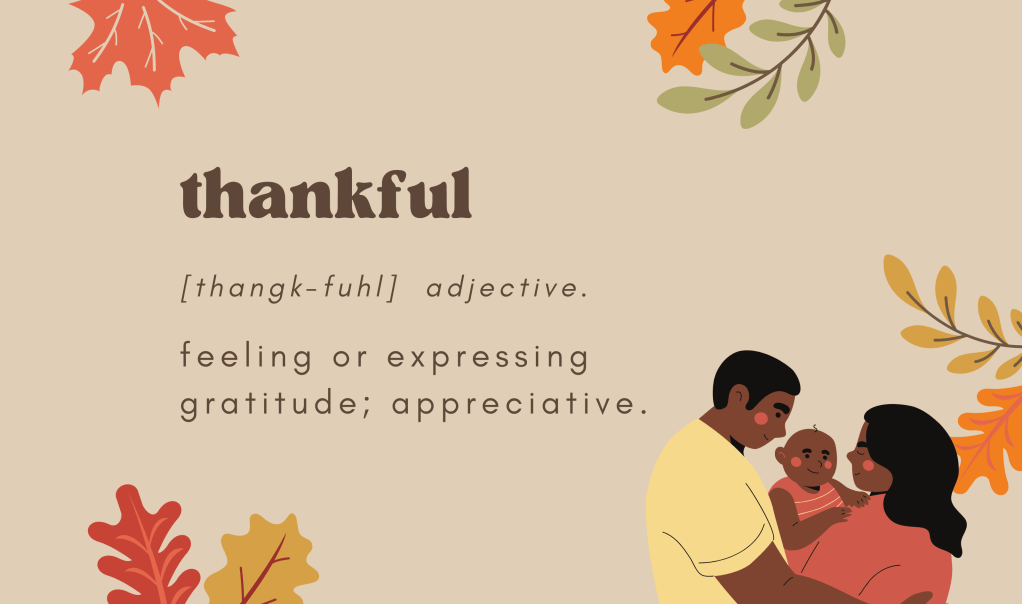
As we enter the Thanksgiving season, I have been really contemplating what it means to be thankful. In a world that often emphasizes ambition, improvement, and success, it’s easy to overlook the quieter, everyday blessings around us. We might find ourselves reaching for the next goal or worrying about the future without taking a moment to reflect on what we already have. But cultivating a mindset of thankfulness, where gratitude becomes an active practice, can bring profound change to our lives. It’s a shift that turns everyday experiences into moments of joy, resilience, and connection.
What Does It Mean to Have a Mindset of Thankfulness?
Having a thankful mindset is about more than just saying “thank you.” It’s an intentional way of looking at life with appreciation. When we commit to noticing and valuing the positive aspects of our lives—whether small or large—we develop a kind of inner wealth that sustains us through both easy and challenging times. With practice, thankfulness becomes an outlook we bring to all experiences, cultivating positivity, optimism, and peace.
The Benefits of Gratitude: More Than Just Feeling Good
Science backs up what many have intuitively known: gratitude is a powerful tool for well-being. Studies show that a regular gratitude practice can reduce stress, improve sleep, and strengthen relationships. In a thankful state, our brains release dopamine and serotonin, the “feel-good” chemicals, which enhance our mood. Gratitude also broadens our perspective, helping us to see the bigger picture rather than getting bogged down by everyday frustrations.
Beyond the personal benefits, thankfulness improves our social lives. When we show gratitude to those around us, they feel appreciated, respected, and valued. In turn, it fosters more meaningful relationships and a sense of belonging. A genuine “thank you” has a ripple effect, creating a more positive and supportive environment for everyone involved.
The Challenge of Practicing Thankfulness in Hard Times
It can be difficult to focus on gratitude when life feels overwhelming or when we face setbacks. Yet it’s in these challenging times that thankfulness can be the most transformative. This doesn’t mean ignoring pain or pretending everything is okay, but rather finding small anchors of gratitude that provide hope and resilience. Even on our darkest days, we can often find something to be thankful for—a friend’s supportive text, a beautiful sunrise, or simply the strength to keep going. These small acts of appreciation serve as reminders that, even in difficulty, there is light.
Simple Ways to Cultivate a Thankful Mindset
Building a mindset of thankfulness doesn’t require grand gestures; it’s about nurturing small daily practices that encourage us to look for and appreciate the good in our lives.
- Start a Gratitude Journal: Dedicate a few minutes each day to jot down three things you’re thankful for. They can be as simple as a delicious meal, a helpful colleague, or a moment of peace.
- Practice Mindful Awareness: Take a few moments each day to pause and appreciate your surroundings. Notice the colors, sounds, or sensations around you and allow yourself to fully enjoy them.
- Express Appreciation to Others: Don’t wait for special occasions to tell people you’re thankful for them. A quick “thank you” note or kind word can brighten someone’s day and build connections.
- Reframe Negative Experiences: When faced with challenges, try to see what you can learn or how you can grow. While not easy, this practice can transform difficulties into valuable life lessons.
- Make Gratitude Part of Your Routine: Incorporate gratitude into your daily activities—while drinking your morning coffee, while walking, or during bedtime reflection. These reminders help us build a habit of thankfulness.
The Lasting Power of a Thankful Mindset
Cultivating thankfulness is like training a muscle—it becomes stronger the more we use it. As it grows, it naturally shapes how we approach life, enriching even the most ordinary moments. Instead of constantly seeking more or waiting for happiness to arrive, we find ourselves rooted in appreciation. Thankfulness grounds us, making the good moments feel even sweeter and giving us resilience in times of hardship.
Adopting a mindset of thankfulness is a gentle but powerful shift in perspective. It doesn’t ignore life’s difficulties but allows us to meet them with a heart open to the beauty, lessons, and gifts hidden in every day. As we embrace thankfulness, we cultivate a life full of joy, meaning, and connection—one that reminds us, again and again, that there is always something to be thankful for.

 In Her Honor